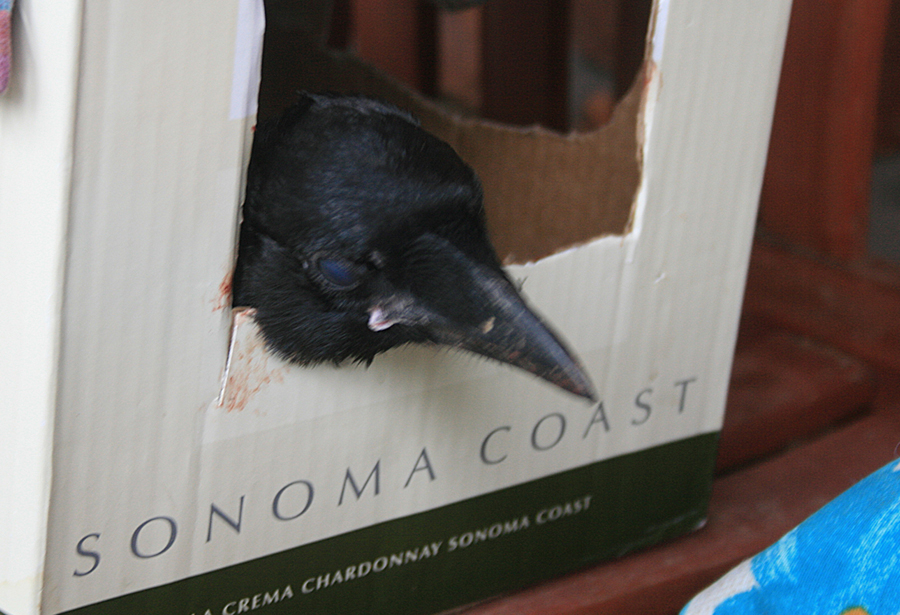
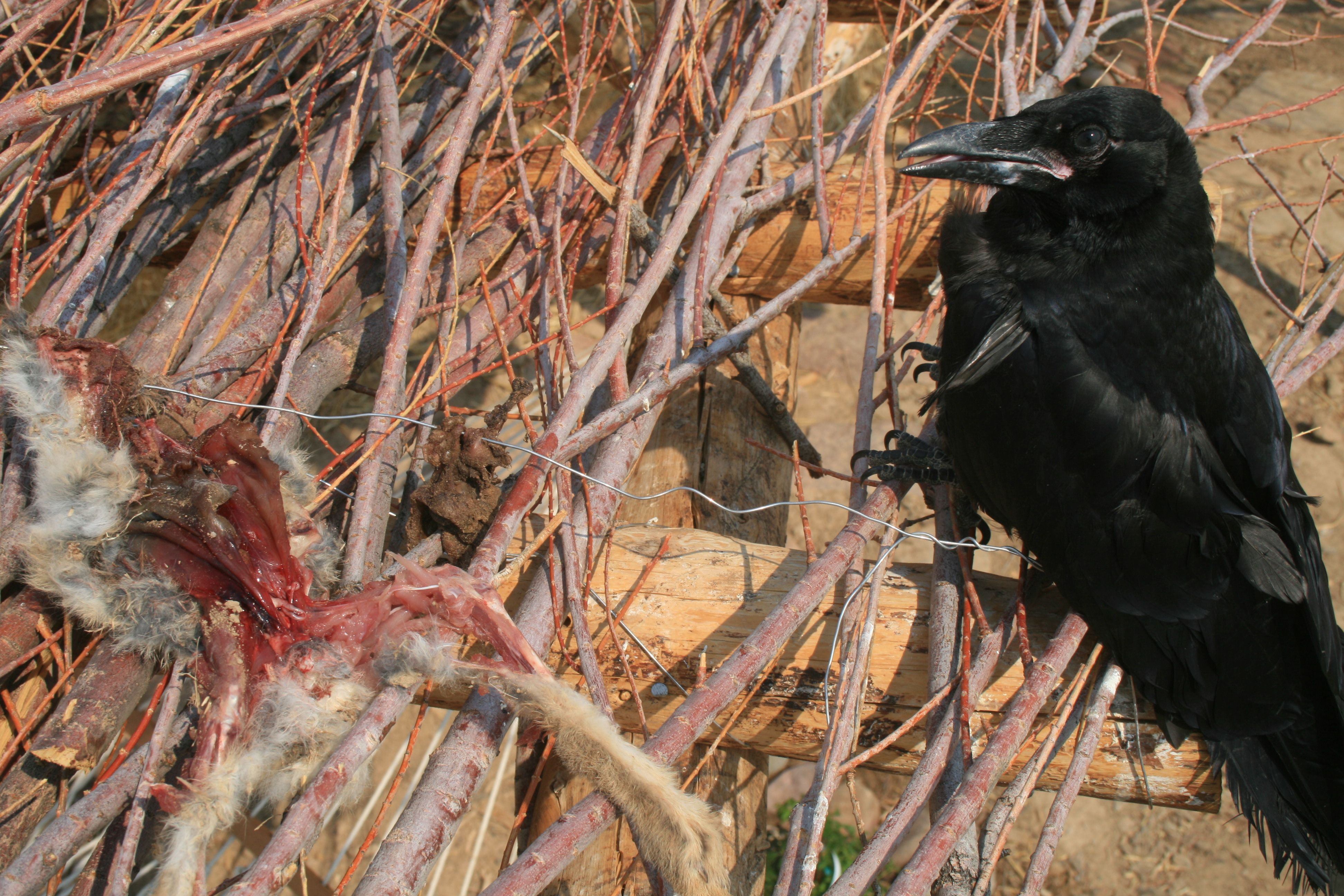
Insomnia

Three a.m.  Another hotel room.  Another sleepless night.

An old friend, Louie Conin “the Barbarian”,  Car Talk producer and writer, once told me about this pipe in her bedroom in Somerville.  She was a chronic insomniac.  Routinely she’d awaken to another dark night of the soul and wait, eternally it seemed, for that excruciating pitch to succumb to the light.  She’d lie in bed and stare at a floor to ceiling heating pipe in the corner.

That’s such a fucking ugly pipe, she’d think to herself.  I really need to paint it.  It’s such an ugly pipe.

She’d stare at this pipe night after night and it never got painted.

Louie grew up in Somerville across from Dr. Spock’s house.  She came from an old Boston Catholic family with all sorts of Catholic pathologies going on in her household.  She once wanted to go play over with the Spock kids and her mother flipped.

“You can’t go over there!” she screamed. ” Those kids run around naked and shit in their own yard!”

Which according to Louie was kind of true.

Which maybe also explains something about Baby Boomers and tech bubbles and housing bubbles and divorce rates in the seventies and maybe something else I can’t think of.

—-

In a few weeks we will have moved from Hopi to an undisclosed place in California.  In the place that we will have left, this twilight hour is kind of important.  Routinely people stay up all night praying for wellbeing not just in this world, but for all life everywhere in the universe.  I imagine that at times the experience can be physically excruciating, sad and lonely, and at times terrifying as one faces that great void.

Through unity of spirit and sheer will, practitioners attempt to summon goodness and life into a world threatened by it’s antithesis.  I whither to think of it.  And I whither as I imagine that three a.m. hour when your spirit claws for dawn to break, for that scarcely imagined moment when you emerge into a new world to be greeted by the new light.

Cliffhanger

Paddy Mitchell

It seems I’ve left a lot of friends and readers hanging by their fingernails on the white crumbly chalk of Dover.

But not for long.  There’ve been a lot of developments yet that need a clear moment for me to tap out.

In the meanwhile, two nights ago, 10 pm California time and Mazie and I are holed up in a bottom feeder in Petaluma.  It seems every room in the county is booked up on account of some speedway event.  So we’re relegated to this grim shoebox pinned between a mostly vacant industrial park, victim of the Great Bubble, and an indian casino wedged in by the 101.  Roar of a freeway outside, the sheets smell like pee and loud banging emanates from the room next door.

The phone rings.  It’s Poppy Davis from the USDA (more on Poppy later).  It’s one a.m. in D.C. and she’s doing her best to impersonate an official from Fish and Wildlife.

She eventually breaks.  Remember when I had to reprimand Mazie for writing about your youthful indiscretions on Facebook? she asks.

I do.

Well now I’m doing the same for you, she says.  YOUR WIFE IS A DOCTOR.  You cannot be writing about illegal activities on your blog.

Yeah.  She’s right.  Which is why I tried to password protect it, but in the end it would have required too much policing and management, and as long as our exact whereabouts are not disclosed – well heck, California’s a big state.

And who would Paddy Mitchell and the Stopwatch Gang have been without their brazenness?  It distinguishes the petty thief from legend.

I peek out the curtain and look down at the tawdry lights from the casino.  I didn’t know their were any gaming tribes down this way.  A minivan weaves erratically through the parking lot.

What would a raven do? 

The Hideout

It’s bad.

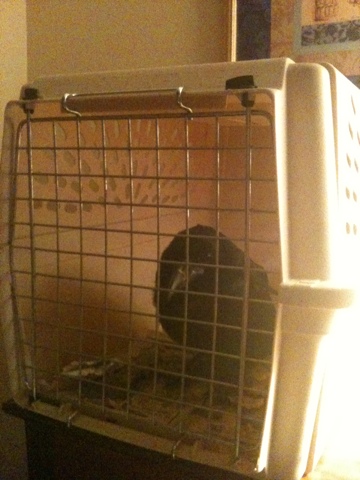
We checked into a Best Western in Barstow late at night. We snuck Poe up to the room, drew the curtains and considered our situation.

It was basically no different than that of all the other criminals holed up in Barstow that night. We’d done wrong, had a kidnap victim in our possession, and were high on junk food.

No sooner had we passed Kingman when Kerry started getting the calls. The rehabilitator, upset and frantic, had been on the phone, accusing Kerry of having stolen the bird. She didn’t even have to waterboard him, and within minutes he was already pointing the finger at me. A century of abolitionist roots and Maine tenancy down the tubes. Sorry, Kerry.

And the rehabilitator had set to calling our house. She worried that I would release him to the wild and that he wasn’t ready. And I think she was just plain ticked that we had taken him from right under her husband’s nose.

Anna insisted that I call the woman back, but Kerry and I concurred there would be little utility in doing so. She was nice enough and had done her part, but there was little point in looking back at that phase in Poe’s life.

Besides, I didn’t want her to have my cell. And if she was really hot under the collar, she could use it to trace our whereabouts.

And lastly, we had bigger fish to fry. We were camped out in the Mojave with this dang bird that we needed to keep alive. The first priority was just getting to our destination and getting him out of the dog carrier. His life had already been hell enough.

We set Poe so he could watch us sleep and shut our eyes for the night.

20110826-110420.jpg

Poe hiding out in Barstow

On the Lam

So that’s how my daughter and I became fugitives.

We bolted left then right then left out of the suburban neighborhood. We got caught behind a truck trying to make a left hand turn, all the while eyeing the rear view mirror while Poe sat swaddled in Mazie’s lap.

Within minutes we were on the Interstate heading west toward California. Ten miles down the road we pulled onto a side road and released Poe into the dog carrier which we positioned again on Mazie’s lap. We got back on the highway and once we were safely past Bearizona in Williams (where I was afraid the rehabilitator might be), we pulled off once again and positioned Poe behind us, giving him a full frontal view of the road ahead.

We all felt elated – Mazie couldn’t believe we stole a raven, I was pumped that Poe had a fighting chance, and as for Poe, I think he was just glad to be free of jackhammers.

Mazie and I talked contingencies. Keep your eye out for highway patrol, I told her.  Once we crossed the border into California we’d be a measure more safe.  If we were pulled over for any reason, she would drape the sweatshirt over the carrier. If anybody asked, it was a pet animal that was easily agitated. If anyone caught sight of him and had questions, we were rehabilitators taking him to a sanctuary in California. We decided we would keep him covered when we passed through the border inspection station.

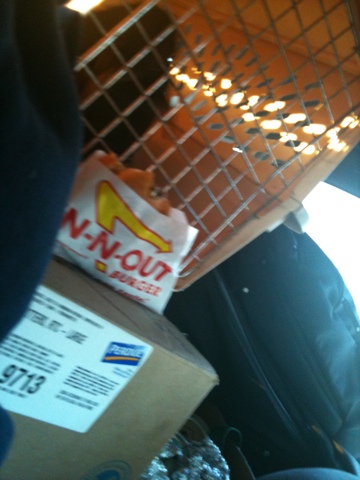
Early evening, we pulled into an In n Out and ordered Poe a cheeseburger with fries. He didn’t take to the deep fried potatoes or the bun, but he relished the cheese and beef. He paced inside the carrier, he gurgled, he peered out at the advancing road.

It was time, I decided, for Mazie to hear the talk on Huck and the Higher Law. It’s not good to steal, I told her. And it’s not good to lie. But consider Huck. He was an orphan and outcast. He habitually stole. He was profane. And given a choice between truth and the lie, he always told the lie. And what’s a lie, but a fantastical story? But as he and Jim float down river deeper and deeper into the dark soul of the country, they are increasingly surrounded by the larger lies told by all the adults around them, and the largest lie of all, that Nigger Jim was chattel, a slave unworthy of even being considered human. And as Huck’s lies and the lies of the world compound around him, the deeper truth emerges, that he and Jim, outcasts though they may be, are friends and brothers.

It’s something to think about as we fumble through our own untruths, ever into the ascending darkness.

And with that, the interstate ribbon unfolds before us. Lots of ravens drift in and out of sight, sentinels each and every one. They roost on telephone wires, pick at carrion in the road, mouths agape, cool themselves on the side of the highway. Under their watchful eyes, the three of us – my daughter and I and a fugitive raven – descend off the Plateau, past the Colorado and into the Mojave.

20110826-104326.jpg

Poe eating road food

It Takes a Thief

“Blame it, this whole thing is just as easy and awkward as it can be. And so it makes it so rotten difficult to get up a difficult plan. There ain’t no watchman to be drugged — now there oughtto be a watchman. There ain’t even a dog to give a sleeping-mixture to. And there’s Jim chained by one leg, with a ten-foot chain, to the leg of his bed: why, all you got to do is to lift up the bedstead and slip off the chain. And Uncle Silas he trusts everybody; sends the key to the punkin-headed nigger, and don’t send nobody to watch the nigger…..Why, drat it, Huck, it’s the stupidest arrangement I ever see. You got to invent all the difficulties. Well, we can’t help it; we got to do the best we can with the materials we’ve got.

Anyhow, there’s one thing — there’s more honor in getting him out through a lot of difficulties and dangers, where there warn’t one of them furnished to you by the people who it was their duty to furnish them, and you had to contrive them all out of your own head.”

And so spaketh Tom Sawyer in the 35th chapter of Huck Finn.

There’s the right way to do something and the wrong way.

In our case, Mazie imagines black face paint and ninja costumes.  Kerry dreams up fake transportation permits and forged documents from the Hopi Tribe.  I consider several furtive and superfluous transfers between waiting vehicles a la Mission Impossible.

In the end though, we just take him.

In our last moment before leaving Hopi, we disinter an old dog carrier from the garage and load it in the car.  That’s the extent of our plan.

A few hours later we find ourselves at the home of the wildlife rehabilitator.  We knock.

After a long wait, the husband shows himself.  His wife is gone.  He doesn’t know where she is, or when she’s getting back.

We came to visit Poe, we explain and he says that we are free to go to the back.

Which we do.  Mazie carries with her a Middlebury sweatshirt.  The air once again is filled with the cacophonous roar of jackhammers.  I step into the cage with Poe and he looks up with wearied eyes.  I whisper for Mazie to walk quickly to the car, retrieve a shred of burrito and bring it back.  I meanwhile sit with the stricken bird.  Mazie returns and we feed Poe with some scraps of meat that he takes eagerly.

And just like that I drop the sweatshirt over Poe and swaddle him in my arms.  I race across the yard.  Behind me I hear Mazie closing the gate so it is slightly ajar.  Goodbye Poe, she says.

We dive in the car and quick as can, we peel away.


Considerations

Walpi Housing is all in transition.

Kerry and Kristina are moving out next month as are we.  We have a bunch of folks over for dinner and most everybody, including Hopi, are heading out in the coming weeks.

A particular era is over.

But where will this leave Poe?  It’s clear he’s not coming back here.  Without mending and stewardship in the near term, he would be finished.  Kerry and I contemplate taking him to Bernd Heinrich in Maine, but we don’t know if he still has his aviary.

And Poe deserves…he deserves what?

At the very least to live large.

He’s not a beast. And I wouldn’t denigrate him with the word animal.  He’s a being.  On par with human beings.  And every effort needs to be made to make him whole and restore him to raven-ness, whenever, and wherever that may be.

One morning I make an announcement.  We’re taking Poe, I say.

Mazie wants to know how.

We’ve already been read the riot act by the rehabilitation community.  He’s a protected species.  It’s illegal for people to own them or have them in their possession.  It’s illegal to transport them across state lines without a permit. And as I’ve been reminded, I haven’t been trained in rehabilitation.

Thank god.  If I was trained in anything, it would keep me from doing half the things I do.

Being Poe © Kerry Hardy

Poe imprisoned

Mazie and I.  We’re on our way home.

I’d been in Sonoma for 4 weeks.  Mazie had joined her friend Grace in LA for the last few weeks while I was working through the house details.

After being away from Poe for over a month, we now found ourselves in Flagstaff, checking in to see how Poe was getting on with the wildlife rehabilitator.

He was not good.

On one hand the rehabilitator had given Poe antibiotics, which undoubtedly had helped.  But for 4 of the 5 weeks, she had kept him indoors in a small dog carrier.  His breast feathers were abraded and missing.  His tail feathers were a complete mess.

In the last week she had released him to a larger cage outdoors, but on the adjacent property, literally a few dozen feet away, they were literally blowing up a limestone cliff.  The air was filled with the deafening sound of jackhammers.  And on the other side of the yard several large dogs barked incessantly.

This was madness.

Mazie and I stepped into Poe’s cage and sat down with him.  Drowning the overwhelming cacophony, he looked around skittishly.  He sat in a pile of dried dogfood – basically the staple of his diet.

It has vitamins in it, the rehabilitator assured us.

Poe looked up toward us and made his customary feeding calls.  He recognized us as his feeders. But this time the calls were soft and plaintive.

The rehabilitator went to retrieve a scale so that we could weigh him (I guess this is vital to rehabilitation), but as she approached, Poe grew even more skittish and flapped his wings aggressively.

The rehabilitator said that he didn’t like her because she had been forced to tube feed him.

As she tried to step in, Poe edged out of the cage and immediately made for the open yard.  The rehabilitator herself grew agitated and she turned to get him back in.

I looked around.  The expansive yard was surrounded by an eight foot fence.  Tall ponderosas shaded the grass.

What’s the problem? I asked.  Is there a dog?  Anything that can get him?  Let’s give him some space, I said.

Well, umm. It’s just that he might try and get away, she stammered.

Get away?  First off, isn’t that the point?  And secondly, he had a busted wing.  This bird wasn’t going nowhere.

The rehabilitator acquiesced, but not before reminding me that from a rehabilitator’s perspective, it wasn’t safe and that I wasn’t trained in this.

Under the trees, Poe easily relaxed.  He began to play with twigs and branches and dig in the ground looking for grubs.  Mazie and I sat with him as quietly as we could given the roar of the jackhammers.

Perhaps I could let him out a few times during the week, she offered.

The rehabilitator made an attempt to weigh Poe, but she couldn’t tell if his weight had gone up or down.  We helped her get him back in his cage and bid farewell.

Once inside the car, Mazie turned to me.

Did you see all the other animals she had in cages? she asked.

Offerings

One morning I go out at dawn to walk the orchards.

Is this a good place? Is it safe? What life will present itself?

I walk among trees laden with apples. The coastal mist dampens my skin. I imagine Hopi plants and how they would drink this moisture up. Gopher holes riddle the loamy ash colored soil. A civilization of them. I find old walnut shells. And ancient gnarled California oaks bend exquisitely toward the ground. An oyster shell pokes up from the dirt. There’s evidence of artesian springs.

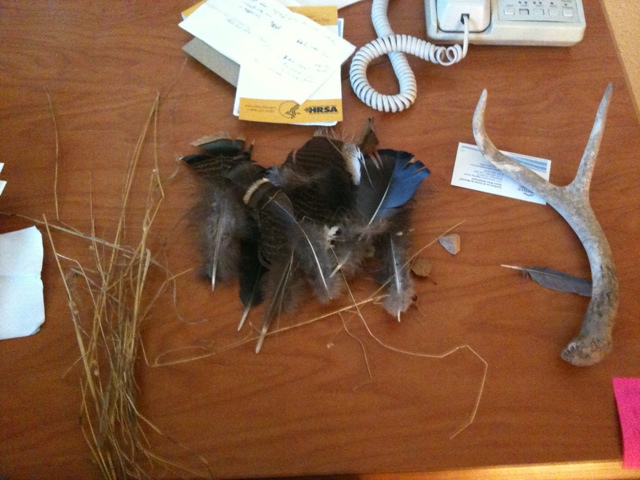
A flock of wild turkeys waddle toward the vineyard. Everywhere I find turkey feathers. And jay feathers.  And the horn of a deer. Quail dart among the trees. I see large cat prints. Rabbit pellets. Fox scat. Chickens wander in the distance. The grapes just now are coming onto the vine. A line of does steps up from the hollow. Later I learn that a mountain lion was spied coming up the Blucher creek. I see a few corn stalks volunteering among the Gravenstein apple trees.

I hear the sweet call of the crows. And then, at last, the rasp of the ravens in the fog. Two sentinel redwoods tower above one of the old farmhouses.

These are the beings that govern this place. The LaDukes. Me. My family. We’re all interlopers. We need the help of the others if we’re going to live here. And likewise we have an obligation to all of them. If nothing else, simply to let them live.

20110825-121155.jpg

The Farm

Feeling the watchful eyes of all those who protect, I pay a visit to the County Recorder’s office in downtown Santa Rosa.

I’m accompanied by our real estate agent and I want one favor from him. I want to trace back the chain of title on this house we’re buying. Eventually I want to go back to 1848 and the end of the Spanish land grants, but for now I’m just looking for one particular event.

—-

Our prospective house is old. Although it recently went through an extensive remodel, you can still see the outlines of what was once a craftsman bungalow from the 1920’s. But the current owners found in the walls a rolled up newspaper dating from 1893.

I suspect that our house was the original farmstead on what would have been a 40 acre homestead parcel.

You see, I’m the patron saint of all things lost. If you’re inhabiting a house, you’re taking on not just the house of today, but all the past lives of that house and the future ones as well. Everywhere we walk we’re surrounded by ghosts and what are we if we don’t choose to recognize and honor them?

By definition, life is a process of perpetual disintegration. Or rather, it’s persistence in the face of disintegration. Life wants to live. And in order for it to live, we must put ourselves forward as a countervailing force. Life is summoned in the face of death.

In this case, there was once a boy who lived in a sleepy seaside down in Southern California. The boy lost his parents and he watched the canyons and coastal chaparral be chewed up by a tide of development. He dreamt that one day he’d live in a place where he would be safe from loss and protected from those things that diminished life.

And once in Sonoma County there was a farm. The land supported orchards of cherries and nut trees and eventually Gravenstein apples. Over time it was divided up into ever smaller parcels, but by some miracle the orchards were never taken out and the land stayed under cultivation. And all the while an old green farmhouse and it’s inhabitants set themselves on that land and oversaw whatever life went on there.

But it only takes one change of ownership and that will cease to be.

—-

In the County Recorder’s office, I scan the yellowed maps on the wall. You can see the outlines of what were once the Blucher Rancho and the adjacent rancheria. Our parcel now exists on the border separating the two land grants. In hand I have an existing parcel map for our area, showing the house we’re looking at and two smaller adjacent parcels. One is owned by an old woman with the last name Horstmeyer. The other by an elderly lady with the last name Edmunds. Still under orchard, in all these years the land has never been visited by either of the ladies.

Before delving any deeper, I already sense the story.

The county recorder pulls up the chain of title on the computer. She can only go back to the mid-1960’s. But just from that we can see the current owners bought it 10 years ago from a fellow named Robinson. And Robinson bought it from a fellow named Percy LaDuke in 1964. to learn more, we need to go to the map ledgers.

We flip through a large book containing fragile maps until we come to one particular change of title in 1964. We see an original parcel comprised of our house and the two other plots of land. And in lavender pencil, two neat hand-drawn incisions divide the one parcel into three.

I turn to the real estate agent. The two old ladies – they were Percy LaDuke’s daughters, I tell him. When he sold the house, he deeded two portions of the land to them and their descendants. He loved the land. He had to sell the farm, but he didn’t want to lose it. He felt that there was value in land and that the land should go to his daughters.

We now turn to the microfiche. It only takes a bit of searching to find images of the change of title. And there it is. Percy LaDuke selling the farmhouse and in two separate documents he subdivides the property and conveys title to Mrs. Horstmeyer and Mrs. Edmunds.

I can hardly contain myself now.

The woman were already married. That means they were at least in their twenties.

The real estate agent is shaking his head now.

That means the two women were born in the late 40’s. It’s all so clear now. If they were born in the late 40’s, they were early boomers. They were born just after the war. If Percy were selling the house in the 60’s once his daughters were married and gone, that means he would have been young enough to serve. He’d fought overseas and once the war was over, he was discharged, he bought the farmhouse and he and his wife had settled down to raise their family. They’d all grown up here. Once his family was gone, the farm was sold off and divided.

To trace back the chain of title any further, we need to do it manually and the Recorder points us to shelves of dozens and dozens of volumes organized alphabetically and by year.

How do we find the previous transaction, I ask.

You have to go through each year, she tells me.

But there’s little need for that.

I walk directly to 1948-49, pull one book off the shelf and flip to the L’s. We turn a few pages and there we have it. Two contiguous, handwritten entries in black ink. The first registering Percy LaDuke’s discharge from the Navy in Oakland, California. He had fought in the Pacific theater. The second entry recorded his purchase of the farm.

20110825-115213.jpg

Guardians

Poe ensconced with a wildlife rehabilitator in Flagstaff. And Mazie and I are camped out in Sonoma California, trying to piece together a new life out here for our family.

We’ve found house to buy. It’s big and green and old and wonderful. But after eight years at Hopi, it’s hard to imagine a life as wild and wonderful and full of serendipity as the one we now have. Is this it? After decades of wandering, are we now settling down? Where’s the adventure in it?

On a Tuesday morning, sitting in the courtyard outside the Sebastopol Inn, I call our friends Kerry and Kristina back home. I’m worried, I tell them. How are we going to make a new life for ourselves out here?

Kristina’s answer is simple. This thing that we need to do is too big, she says. We can’t do it alone. So we need to put it out there, we need to seek out our allies and be available when they present themselves.

As for Kerry, he points out that when driving into Walpi Housing in the middle of a barren desert, would we have ever imagined that it was an ideal spot for building large wooden structures, and butchering a cow, and raising a mess of ravens? Could we have even conceived of the adventures that awaited us there?

Two hours later, Mazie and I sit in the Holy Cow coffee shop in Sebastopol. I’m despairing. Will I be able to talk to the ravens in our new home? I ask Mazie.

Daad, she says, and rolls her eyes in a way to indicate that once again I’m proving myself an embarrassment.

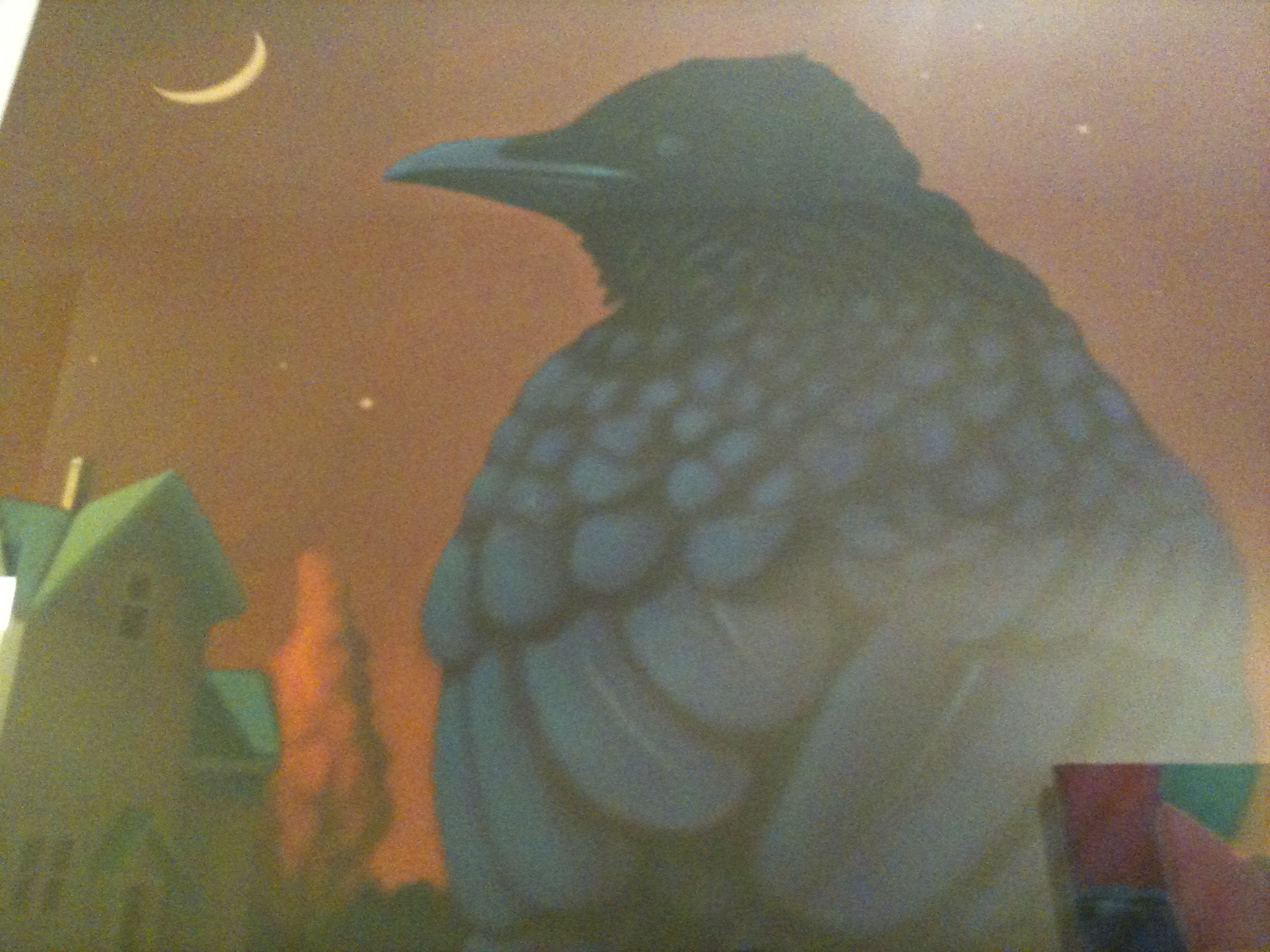
On the wall behind her hangs a large painting of a young girl cradling a crow. And further down, another canvas of an enormous raven perched on the body of a baby. I step up to take a picture of it and an older woman sitting at a nearby table asks if I’m interested in ravens.

She’s read all about them, she says.

Bernd Heinrich? I ask.

Heinrich is amazing, she says and we high five.

I tell her the story of the wash ravens and she tells me about herself. Her name is Maryann Markus. She used to teach, but she’s retired and she’s built herself a studio and she spends much of her time drawing nests. She is fascinated by ravens, she considers them her totems. There’s something I’ve never shown anybody, she says removing a velvet pouch from her purse. Inside, a hematite figurine of a raven. I squeeze it in my hand and rub it and squeeze it again. It’s heavy and has the dense sensibility of a low rumbling current.

She looks at me. It’s yours now, she says. They’re such powerful birds, guardians really. She asks if I’ve met Michael, the owner of the coffee shop and to fellow who did the paintings. She leads me to the back to introduce us.

He’s my age more or less, introspective and gentle seeming. Michael, too, says he can’t get his mind off these birds. He’s been fixated on them a while and keeps working them, making image after image. They’re deep, intense creatures, he says, and we’re afraid to let them into our lives. He says that the image of the baby and the bird scared people, but that they misinterpreted it. I see him as a protector, he says.

I tell him about the raven in our care and how our neighbor killed and maimed two of them. How I was fed up and in a weird way it was a last straw for us. I just wanted to get out of there.

But that’s all part of it, too, he says. You can’t run from that either. He says he hopes our move here works out well and that things take a good turn with the house. Before I leave, he gives me a hug.

I walk out of his office and see one more canvas.

20110825-100821.jpg

Rehabilitation

For all you ravenites out there, the saga continues.

In July, our family and Kerry’s were going to be gone for much of the month.  Never and More had joined up with the adolescents from the other family groups and were spending most of their time out in the desert.

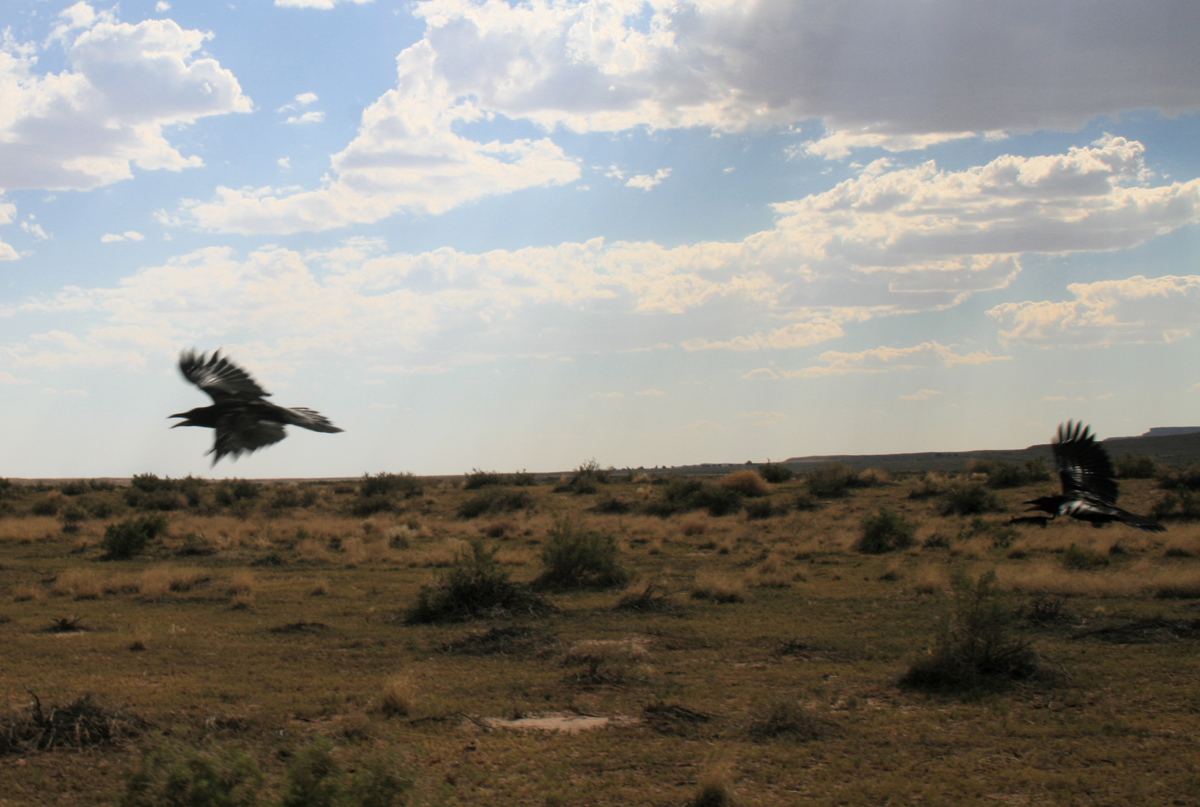
Kerry did an exemplary job meeting them in the desert, feeding them dead lizards, letting them fly off with their new found friends and capturing shots of their flying prowess.

Never and More in flight © Kerry Hardy

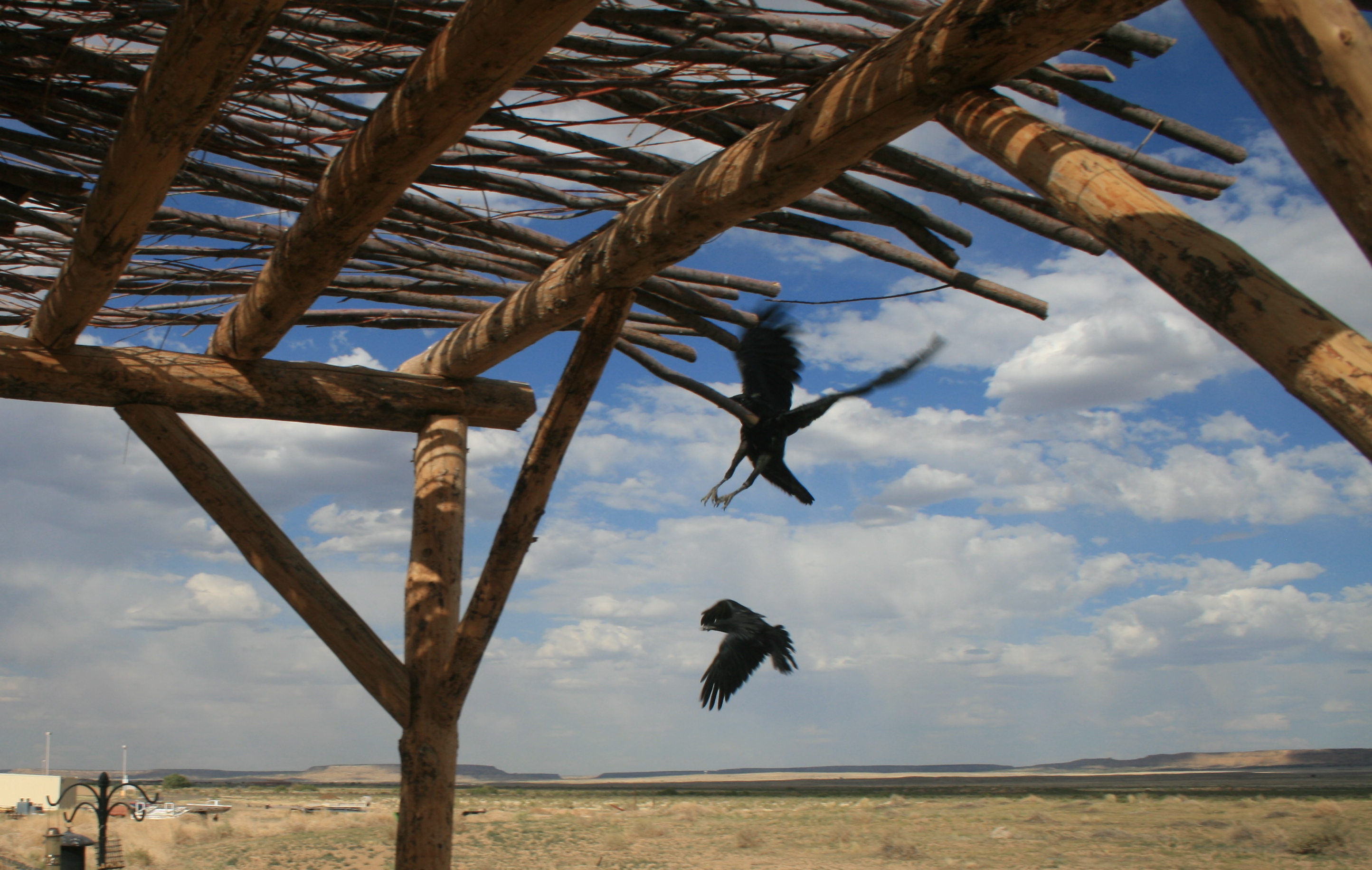
Pretty much every day, though, they would come home and hang in the shade of porch or visit with Poe who was still hobbled by his broken wing.

Never and More descend for a visit © Kerry Hardy

With each day, however, Poe seemed to be struggling.  It was tough with the heat, his appetite curbed, and with his siblings gone, he became less and less active.  Kerry and I agreed that with all of us gone, Poe’s chances of surviving the month were scant.

Injured Poe © Kerry Hardy

Resigned, we agreed that Kerry would took Poe down to Flagstaff and place him with a “wildlife rehabilitator.”  Which he did.  And all seemed good.  Poe settled in with the elderly woman.  And we were told that if he didn’t recover his flight, he could move to Bearizona, a wildlife sanctuary near Williams.  There he would be used as a “teaching tool.”  The ravens there were quite smart, we were told.  If they were handed a dollar bill, they would drop it in a piggy bank.  And if they were handed a plastic frog, they knew to put it in some water.

The thought broke my heart.

Poe being transported to Flagstaff © Kerry Hardy

15k in Therapy

Something got into our yard this morning and decimated the chicken flock.  The black hen dead, the two Plymouth’s carried away, the Yellow Leghorn freaked out.

I’m done.  Done with neglect.  Done with rabid dogs.  Done with unnecessary death.

I spoke with my friend Patrick yesterday morning.  He called me the prophet of loss – all that which has occurred and that which is yet to come.

He’s right.  I stood on the Sonoma plaza looking up at those California oaks and I realized he was absolutely right.  It’s the story of my life and my writing voice and all I really care to think about.

All of that loss.  And more to come.

Yet who are we without it?

Raven Cognition. Raven Food.

I’ve been trying to feed Poe industrial hamburger meat (from Circle M).  It’s the only time I’ve ever seen one of these ravens spit food out.  And we call it fit for human consumption…

Call it the end result of what we call civilization:  Advanced Meat Recovery.  In a modern day slaughterhouse, they  blast a carcass with a high pressure hose to recover any last bit of flesh and gristle and then churn it into hamburger.   Or as Kerry said, it’s what you do after you’ve already taken the lips and asshole and served it up to some poor unsuspecting consumer.

This morning Kerry brought over a dead rabbit that his dog had caught.  He fastened it to the top of the ramada and placed Poe proximate to give him a chance to pick and feed in a more raven like way.

He also set out to retrieve the other two ravens from the wash.  But as he stepped away from the yard (us conversing loudly all the while), we saw two lone figures making a swift approach in the distance.

Sure enough, it was Never and More.  They soon circled the yard and alighted on the fence near Kerry.  They kept bouncing and circling around him.  Amazing window into their cognition.

  1. Ravens recognize Kerry as a source of meat. This idea has persistence in their brains over many days.
  2. They recognize his voice as distinct from other voices.
  3. They associate his voice with him.

Not receiving food from him, they took to the ramada where Poe was, but they boosted away from him and the carcass pretty quickly.  Again:

  1. They showed a fear of a new foreign object.  A dead one at that.
  2. Death is scary.  That is, until we recognize it as food.  Then all is fare game.

Kerry brought his hand beneath the carcass.  The other ravens caught the gesture, squawked and flew back to the ramada.  He fed some rabbit entrails to Poe, they observed. He tried baiting Never and More with intestine, but they wouldn’t take it.

  1. They need to learn that a carcass is food.

How long will it take them to learn?  If the parents were present, would they teach or model behavior and would the ravens learn more quickly?

  1. Poe began pecking at the carcass.  Never and More squawked.
  2. Never and More gave their danger squawk.  We looked outside and saw Lola approaching.
  3. More grabbed rabbit entrails and took it to the ground.
  4. Poe continued feeding and Never ascended to observe.  He later flew down to join More.
  5. More, however had cached his meat on the ground.  Never found the meat and began to taste it.  I’m sure that caching is a sign that an object is of interest.  If More cached something, it must be good, it must have value.
  6. Never and More got into an intestine contest.
  7. Poe continued at his chowing up top.
  8. A lone adult perched on a lamppost facing us and called out in four short repetitive, gutteral trills.

Neighbors wonder if the ravens are hanging out at Kerry’s now, looking for food.  Folks don’t get that we have complex relations with these birds, that they come and go and fly about based on a whole set of variables.

The house sitter thought at one time taking them to the wash was too close if our goal was to make them go away.  Again, she missed it.  Our goal is not to make wild things go away.  Instead it’s to reintegrate these birds back into their environment and ecosystem.  That ecosystem includes the Wepo Wash, the other flocks, the parents, and to a limited extent, Walpi Housing.  For years the mating pairs have been doing flyovers, observing us, perching on the lamp posts, scavenging nest materials form our yards.  It’s fine that the birds come here, as long as it’s within the context of the larger environment and they’re capable of surviving on their own.

I hear the other young calling out in their playful sing song from somewhere out in the wash.  Never and More playfully follow the motions of the dancing hummingbirds.

The young flock approaches and circles and dives above our house, calling all the while, and eventually break apart and disappear to the south.

As I sign off, Poe has descended from the ramada.  Never soaks in the water.  More explores the yard.  Two hummingbirds circle.  the Plymouths rest in the shade.  The two other chickens scratch by the honeysuckle.  Two doves hang on the fence.  Lots of flies (call them pollinators).  Mango sits at my feet, watching it all.

The Garden

Running toward the Embarcadero.  On Battery, I believe.  Lost in my iTunes playlist, I cut through a swath of green.  I guess we call them parks.  But suddenly I stop, arrested.  I am in fact cutting through a Japanese Garden.  It really is just a swath of green.  A scattering of stones.  A splash of water.  But it is a Japanese garden in the truest sense.

A Japanese garden is not a swath of green.  Nor an arrangement of plants.  It’s a psychological experience.  A metaphysical state.  A state that opens up the boundary between self and the outside world.  We call this boundary “perception.”

A masterful garden will arrest, it will capture the attention in the way I have just serendipitously experienced.

A park, a swath of green, has no rules.  Or rather, the chaos of the self rules.  Parks are primed for the 21st century American.  We are free to experience it in whatever way we damn well please.  Throw a frisbee.  Loll on the grass.  Kick a ball. Read a book.

In a Japanese garden, the designer rules supreme.  We become subjugated to the designers intent.  His intent becomes our experience.  And if the designer is gifted, a new layer of reality becomes our experience.

In this garden, the path turns and breaks.  A runner must slow down to a trot.  And then a walk.  And as you walk, you see the stones.  The swath of grass is home to the stones.  A pool of water is laced with moonlike stepping stones.  The stones invite you to enter the pond.  But not on our terms.  Instead on the terms of the stones.  The stones suggest where we should walk.  We have some measure of choice.  But the stones dictate the range of choice.

We have to pay attention.  If we misstep, we fall in the water.  And when we reach the last stone, what do we find? Nothing.

But it’s not nothing.  It’s the oval of rock upon which we stand.  It’s our vantage.  And it’s enough.  From this perch we see a small tree ungainly enough to be unworthy of attention.  So we look down.  And our attention is drawn to the reflection of the tree shimmering in the water.

We return.  But this time we see the fallen cherry blossom petals speckling the ground.  The death that arrives in hand with incipient birth.

The asphalt walkway turns to rock turns to a grass path, turns once again the rock.  This part of the garden privileges our feet.  Not our eyes or other senses.  Instead it says, you oh lowly feet.  You the ones that carry.  This spot has been created just for you.

Sound of san Francisco morning

Morning. San Francisco. Disconnected. Ran to the embarcadero. Sound of the lapping of the bay and joggers and light morning traffic. And a guy. In a wheelchair. Playing the softest sweetest guitar.

If only for him, I’m glad i’m alive today.

20110430-082559.jpg