The Ache

Gallery

This gallery contains 3 photos.

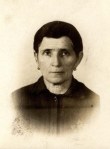
Benjamin Mermelstein had married Dora Mirowski. The Mirowski’s left their village of Bedzin in Poland near about 1880. There were at least a handful of Mirowskis who stayed behind. In 1939, many of them were photographed, their names inventoried and … Continue reading

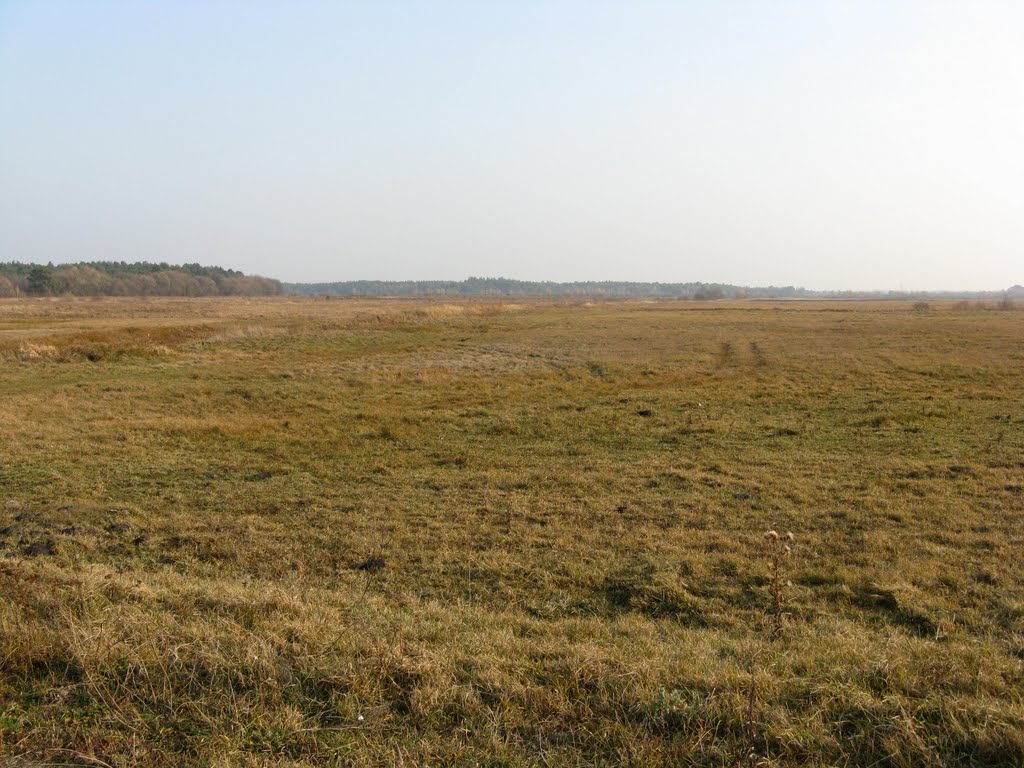
Trochenbrod

trochenbrod 2In translation it means dry bread.

In the late summer of 1942, the Jewish ghetto was liquidated and the entire Jewish population of 3000 was murdered. Afterwards the village was set on fire. Less than 40 individuals survived.

Never in time will this place ever exist again.


Illumination

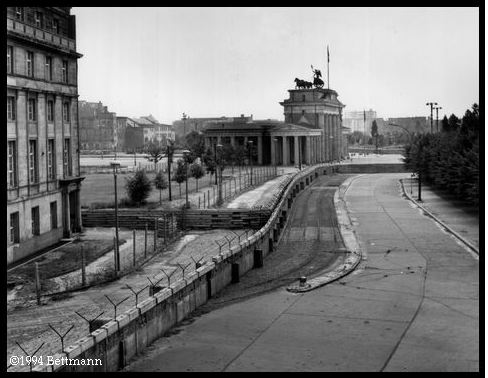
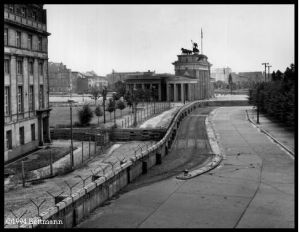
die mauerBefore the Wall fell, Anna and I once took a train across East Germany and Poland from Berlin to Moscow. But to get on that train, we needed first to get past a Dutch-German Intourist agent, Hendrik Grave who, it seemed, was the only one who could book us a berth, but in Berlin something went terribly wrong, the reservations were not complete, the seats unavailable. We would have to delay. But no problem. We would stay with Hendrik, he said. But instead he put us up in a friend’s flat, but that friend stole our luggage and so we were forced to remain with Hendrik day after day, waiting for something to happen.

And always the patter of Hendrik, telling us about Die Mauer, about the twisted psychology of Berliners, of the unfolding of life and of self-understanding. Driving through the streets of Berlin, Hendrik would proclaim apropos of nothing and everything, “All ist gut, All ist klaar.” And always referring to himself in third person, Hendrik, he said, would take care of everything.

Over the days his story unwound. How his father had been part of the SS and had been a Reich officer. Of how as a boy during the war, he was told that his mother had died and he was sent off to live with a relative. He grew up without mother and father. Nazi exultation. The Reich’s collapse. Loneliness. And then as an older boy, a woman appears. She holds him carefully outside his home. People tell him that this is his mother.

But how could this be his mother? She is dead. She died during the war. This is not his mother. He pushes away and runs. The strange horrid woman was a ghost. And if not a ghost, then the adults around him were monsters for telling such a lie.

How had a war neutered a generation from it’s past? Who was Hendrik’s family and what deeds and lies had they all perpetrated, he would ask.

One afternoon sitting in Hendrik’s flat, the golden midsummer’s light casts his sharp features and white mane of hair in profile. He listens to Mozart’s Requiem.  Turning the volume to full, he drains a glass of white wine, head tilted back. All ist gut, Hendrik  says, eyes shut. All ist klaar.

The Welling

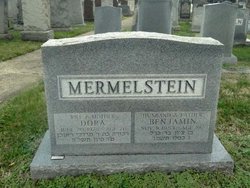
mermelsteinAfternoon drive time and I’m talking to my college friend Danny as he commutes home from work in Baltimore.

At times people have confused us as brothers which has sometimes made us wonder how far apart we really were. Before family emigrations, how many days afoot separated our ancestral villages? It couldn’t have been much.  Enough of my family came from Poland and Russia and enough of his as well.  Lives and families cast vast to the winds. People move across the oceans. Children are born and people die. One hundred years later, the son of one family and the son of another ascend the stairs to the third floor suites in Silliman College to begin their freshmen year at Yale. They set down their bags, they catch sight of one another.  They sense a vague recognition.

Now, twenty five years later, I tell Danny about my ancestry experience and he provides the names of his paternal and maternal grandparents. That night I go online and enter names and birth dates. Family trees and homes and turn of the century censuses coalesce and link to family trees compiled by other people. Danny’s maternal grandfather, Benjamin Mermelstein emerges out of the fog. Years in Baltimore. Naturalization, emigration. Poland. The Ukraine.

It’s two in the morning in California on an autumn night. It hurts to stir the waters and have this debris surface. I sense these people welling up out of Poland and the Ukraine and the Belorus in the 1880’s. Something ungood was afoot and by some miracle, Danny’s kin and my kin sensed it. They registered a tidal pull and one way or another they decided that now, in this moment, it was time to go.

Documents appear that identify Danny’s ancestral home. And here I feel a pit in my stomach.

Benjamin Mermelstein came from the village of Trochenbrod.

Taking Count

1910 Census

1910 Census

Last week my daughter busted on me, saying that we had no right to celebrate Thanksgivingkuh. We’re not even Jewish, she said. She’s technically correct since my mom’s family hailed from the Baltics. And as for my dad’s side, it’s a mystery.

After my dad died, my paternal line was largely lost to me. I have vague memories of information that my grandmother had once shared. A Max Lewis, the last name Barsh. Time spent in Camden. They amounted to the barest shreds of a long disintegrated family fabric.

Last week, during a bout of sleeplessness I paid a visit to Ancestry.com.  It makes sense.  What else should one do during a dark night of the soul?  Isn’t it all about uncovering who you are?

Lying there in the darkness I entered a few bits of information: my name and birth date, that of my parents. Within minutes little “hint” leaves began popping up left and right on the tree that was self assembling. My dad’s birth certificate led to the names of his parents. His parents’ birth and death records auto populated and led to 1910 and 1920 census records in Philadelphia and Camden, New Jersey. These led to names of cousins and great grandparents and possible countries of origin.

In the dim illumination of my computer screen, I stared at images of reports handwritten by census workers in 1910 as they trudged up and down soiled tenement stairs, inventorying the names and occupations of my ancestors. I saw the names Isaac and of his brother Max and of their father and mother, Solomon and Rachel, bearers of ancient biblical names, but recently hailed from Poland and Russia. What did they know of their great grandson of the future who would use 21st century magic and technology to pull back the veil of the past to reveal some distant home?

On that day in 1910, they sat impatiently in some squalid and small flat, answering a stranger’s questions in broken English. We left that place, they may have said to themselves. It was done and over. And of this, what good would ever come of it?